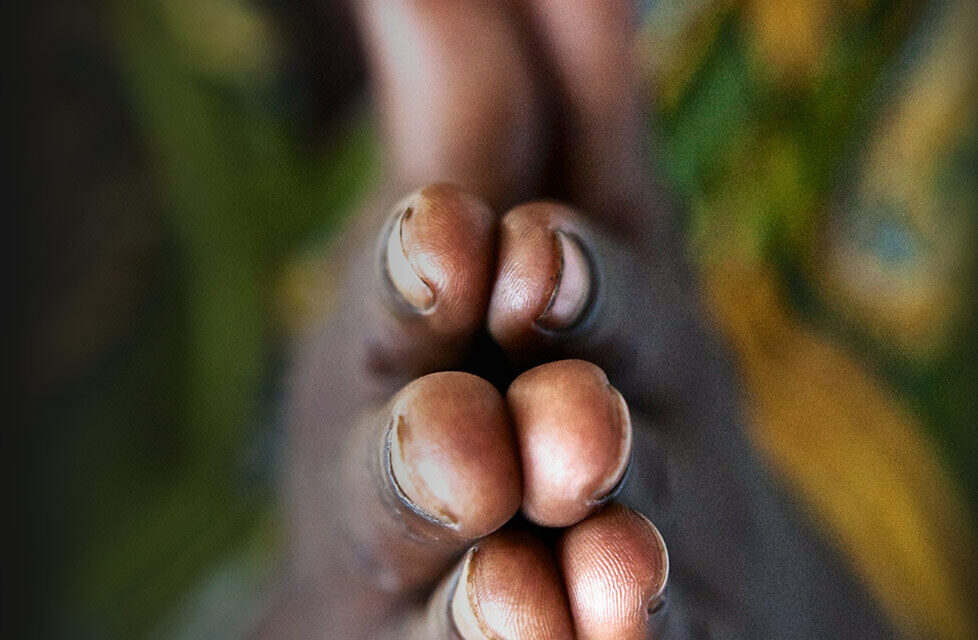
Youhanna’s wife and children left him when he placed his faith in Christ several years ago. His extended family beat him severely many times because of his faith, and he was imprisoned in an attempt to force him to return to Islam.
Read More
Infidel, Smuggler, Pastor How an encounter with the Bible transformed a militant Iraqi Kurd into a passionate evangelist. Seventeen-year-old Nemrut devoured books. He was always looking for something new to read, but few books in the Kurdish language were available in his dusty Iraqi town. One day he spotted something new in a local bookstore — a Kurdish translation of the Gospel of Luke. He wasn’t sure what it was, but he was intrigued. When he asked about the book, he was disappointed to learn that the bookstore owner wouldn’t part with it because it was his only copy. Determined to read the book, Nemrut made a deal with the owner to pay a lending fee so he could borrow the book and return it when he was done. He read until 4 a.m. the next morning. “This was the beginning of loving Jesus,” he said. Luke’s Gospel had planted a seed, but Nemrut still had much to learn. While he wasn’t particularly committed to Islam, Nemrut had been born into a Muslim family. Like many Kurds, he held that faith lightly, feeling more loyalty to family and tribe than to religion. Zealous for an independent Kurdish homeland, Nemrut joined
Read More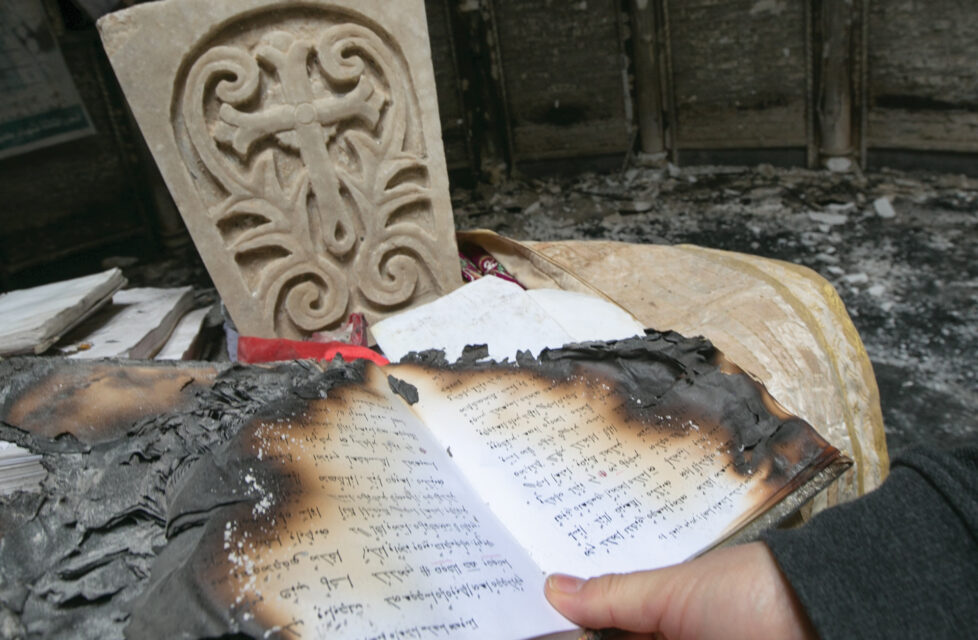
Hani was imprisoned by ISIS because of his Christian heritage. But it was only after his escape that he came to know Jesus. As members of the self-proclaimed Islamic State (ISIS) eagerly broke their Ramadan fast for the day by digging into large, round plates of rice, Hani, his brother and several other prisoners started running. They ran as hard as they could, hoping to reach the cover of some nearby hills while their captors ate. After reaching the hills, they called their families on a phone one of the prisoners had managed to conceal. “Tell the Peshmerga not to shoot!” they urged. “There are seven of us.” Their families then alerted the Peshmerga, the Kurdish militia protecting the city of Qaraqosh from ISIS invaders. Hani and the others knew the land well, and soon they were crossing the Peshmerga lines into the arms of their waiting families. Their 26-day ordeal was over. Kidnapped by ISIS Hani was a proud citizen of Qaraqosh, a Christian city about 20 miles from Mosul, Iraq’s second-largest city. The 50,000 Chaldean Christians in Qaraqosh still spoke Syriac, a dialect of the Aramaic language of Jesus, and traced their Christian heritage back to the first
Read More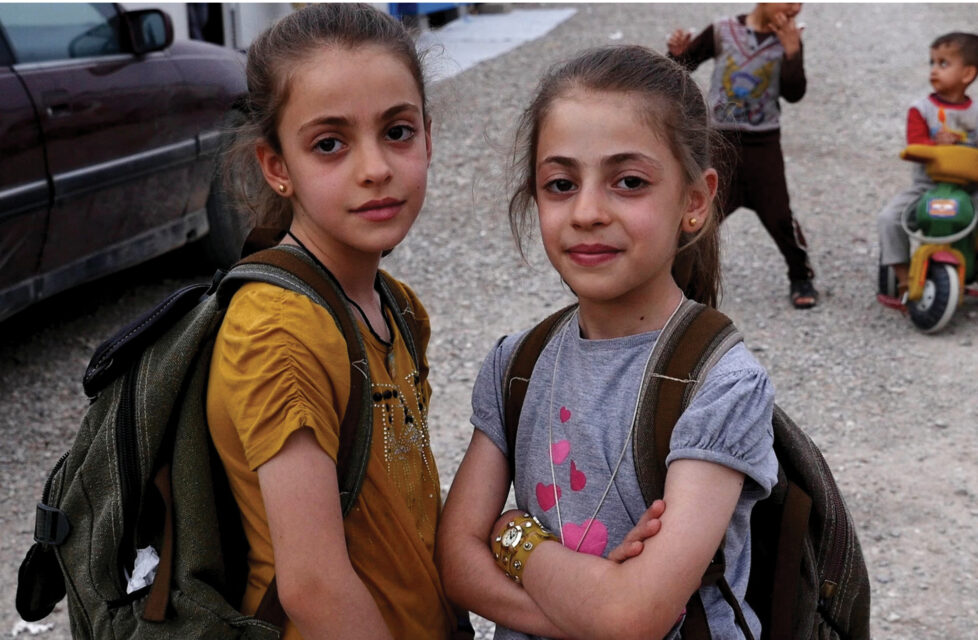
When asked what she prays for, 11-year-old Myriam Behnam was quick to answer. “When I pray, I pray that God might help us to go back home,” she said, “and that the peace of God might come all over Iraq. And also, may God forgive ISIS.” Myriam, her 10-year-old sister, Zamarod, and their parents, Walid and Alice, fled their home near Mosul, Iraq, more than a year ago when the self-proclaimed Islamic State (ISIS) gained control of Mosul and the Nineveh plains. Since that time, the family has lived in the northern Kurdistan Region along with more than 1 million other displaced Iraqis. Life is not easy in the refugee camp, but Myriam doesn’t harbor any bitterness. “I will only ask God to forgive [ISIS],” she said in a March 2015 interview with SAT-7 TV. “Why should they be killed?” Myriam’s surprising forgiveness of ISIS reached millions after being broadcast on the Christian satellite TV station. Although it’s difficult to know how many people watched the interview on SAT-7, its five channels reach an audience of 15 million in North Africa and the Middle East. In addition, the video was copied digitally numerous times and went viral on social media,
Read More
The evening of August 20, 2014, Abu Fadi received an urgent call from his mother. “Abu, come for me,” she cried from the Iraqi city of Mosul. Before he could respond, an Islamic State (ISIS) fighter grabbed the phone and asked Abu to confirm that he was her son. “Yes, I am her son,” Abu replied. “What is the problem?” “Today, come and take your mother and sister,” the fighter said. “If you will not come today, we will throw them in the street. Either they will be Muslim or we will leave them in the street. You just come and take them.” The ISIS fighter took all the family’s money and belongings, closed up their house and painted the Arabic letter “N” on the home, indicating Nassarah, or “Christian”. Knowing he couldn’t enter Mosul as a Christian, Abu asked a Muslim friend to bring his elderly mother and sister — both in wheelchairs — to his nearby city, which had recently come under ISIS control. Once there, the two women joined Abu and his wife and they drove toward Bashiqa in the north. However, shortly after starting their journey, their car was stopped at an ISIS checkpoint by fighters
Read More