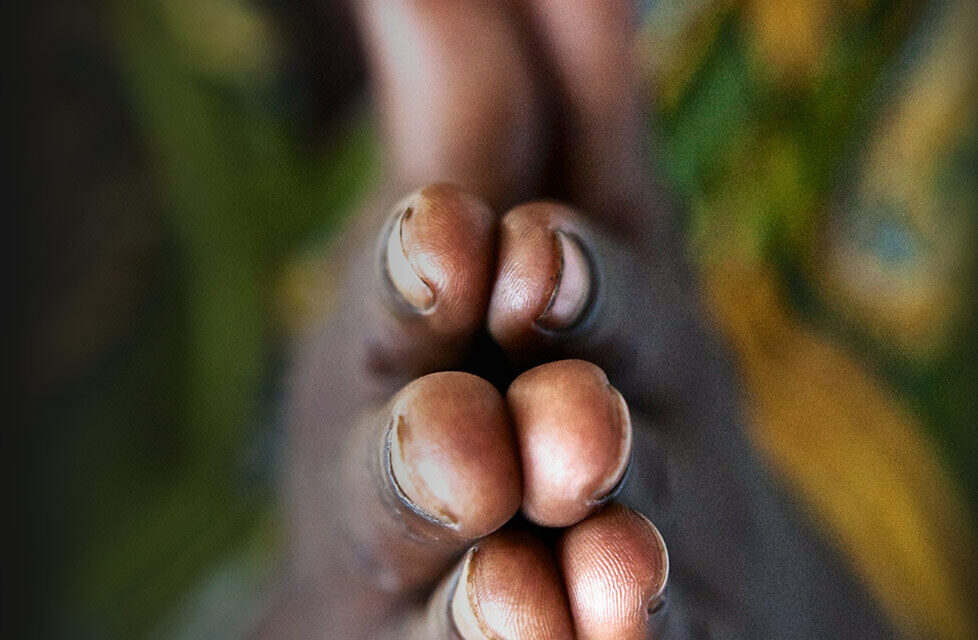
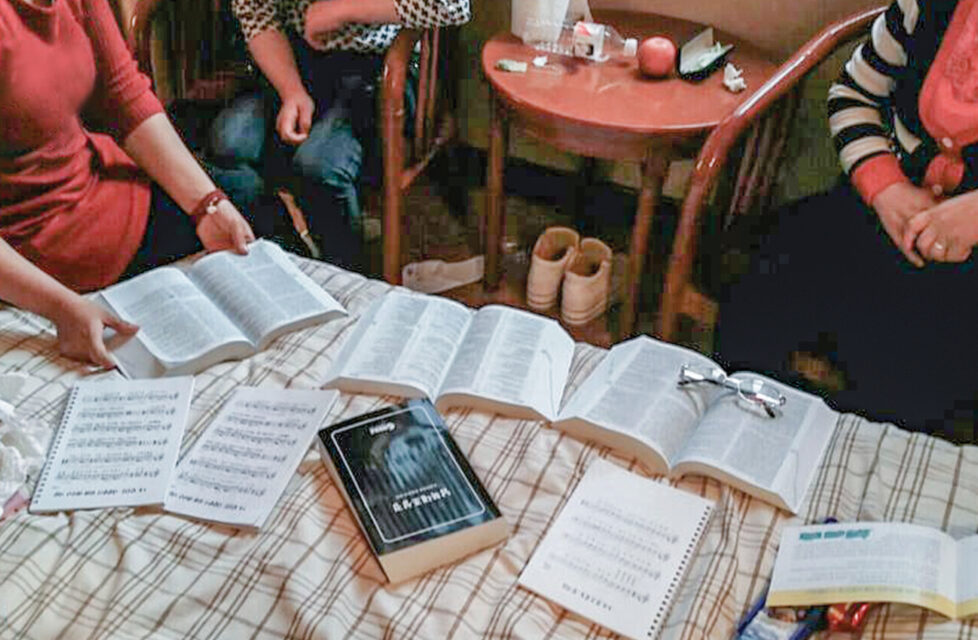
For 20 years, Sung-mi lived in China, where she had been trafficked and sold to a Chinese man to be his wife. But during that time, she found true freedom and a purpose. When a North Korean friend there shared the gospel with her in 2015, Sung-mi decided to visit her church and learn more about Jesus. But after attending a few services, she found it difficult to connect with church members and stopped attending. North Koreans often feel isolated in China. They avoid contact with Chinese people because they are there illegally. Then, one day she happened to meet a VOM worker. “I was invited to his church,” Sung-mi recalled. “Over time, as I saw his honesty and service to other North Korean ladies, I started understanding what it means to live as a Christian.” The VOM worker visited Sung-mi regularly and helped her with Bible study, eventually leading her to faith in Christ. “Christ came to my heart through the life of the VOM worker,” she said. “My heart filled up with joy as I came to know the Lord after 20 years of my life in China all by myself. Now, God and his people are with
Read More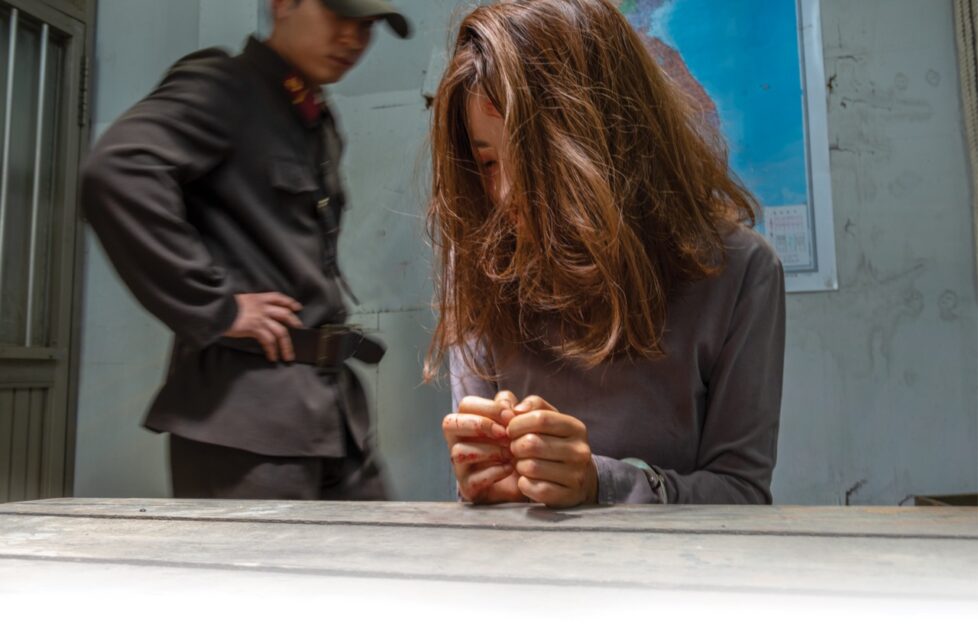
When North Korean authorities caught Min-ji selling South Korean DVDs to earn extra money in 2008, her husband, Kun-woo, feared for his life. As a high-ranking member of North Korea’s State Security Department (SSP), he knew his wife’s crime, which was punishable by death, could implicate him, too. In fact, their entire family could be executed because she was selling “propaganda” from the south on the black market. To delay his capture and potentially save his teenage children, Kun-woo fled to Yanji, China. Meanwhile, Min-ji’s relatives, also SSP officials, took in the children and bribed those who oversaw her case to reduce her sentence. So instead of death, she received a prison sentence. Kun-woo returned to North Korea following Min-ji’s release from prison, but he was not the same man Min-ji remembered. He could not stop talking about a book called the Bible and a being named God who hears our prayers. A family he met in China had told him about the Good News of Jesus Christ, and now every time Kun-woo ate a meal with his family, he gave thanks to the Lord. “I thought he was crazy,” Min-ji told a VOM worker. Problematic Prayers In the four
Read More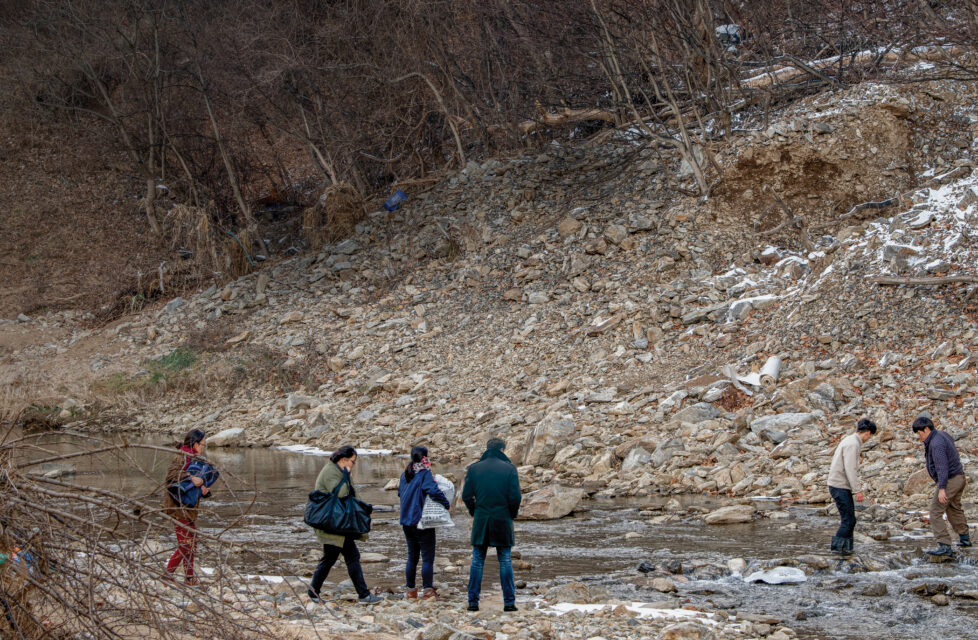
Lee Chul-ho encountered Jesus Christ in 1998 after defecting from North Korea. Desperate to escape the famine that had ravaged his country for four years, he crossed the Tumen River into China, where he met a South Korean missionary who helped him and shared the gospel with him. Upon hearing the Good News, Chul-ho placed his faith in Christ. While recovering from malnutrition, Chul-ho consumed God’s Word, reading the Bible several times the first year. For the next three years, he taught other North Korean defectors about Christ and gradually broadened his ministry to include helping North Koreans at the border as they crossed into China. He also got married during that time. Then, one summer day in 2001, Chinese police arrested Chul-ho and his wife, who was seven months pregnant, as they waited for a group of North Koreans to cross into China’s autonomous Inner Mongolia region. “For the sake of my wife’s survival, I had to tell [the police] that she was not my wife,” Chul-ho said. “I told them that I did not know her.” Despite his attempt to protect his wife, both were detained for several days before being transported to Sinuiju, North Korea. When Chul-ho
Read More
The Islamic Republic of Iran restricted all access to God’s Word. But despite great risk, Iranian believers are sharing the gospel on the street with unprecedented boldness. Two years after placing her faith in Jesus Christ, Fareena still hadn’t told a soul. Like most new Christians in Iran, she feared the backlash she would face if her family learned she had left Islam. Since doing so is illegal in the Muslim nation, new Christians are often imprisoned after going public with their faith. And many more are beaten for bringing shame to their Muslim family. Aware of these possibilities, Fareena decided to read her Bible only in secret. Then, one day she saw something that shocked her. “When I woke up and headed to the living room, my father was sitting on the floor reading a Bible thoughtfully,” she said. “I couldn’t believe my eyes.” Fareena returned to her room in a panic, thinking her father, Bilal, had discovered her Bible. After realizing the Bible he was reading was a different color, she asked him what he was doing. “I am reading an amazing book,” Bilal replied. “I found it in the mailbox today. It was wrapped in wrapping paper.”
Read More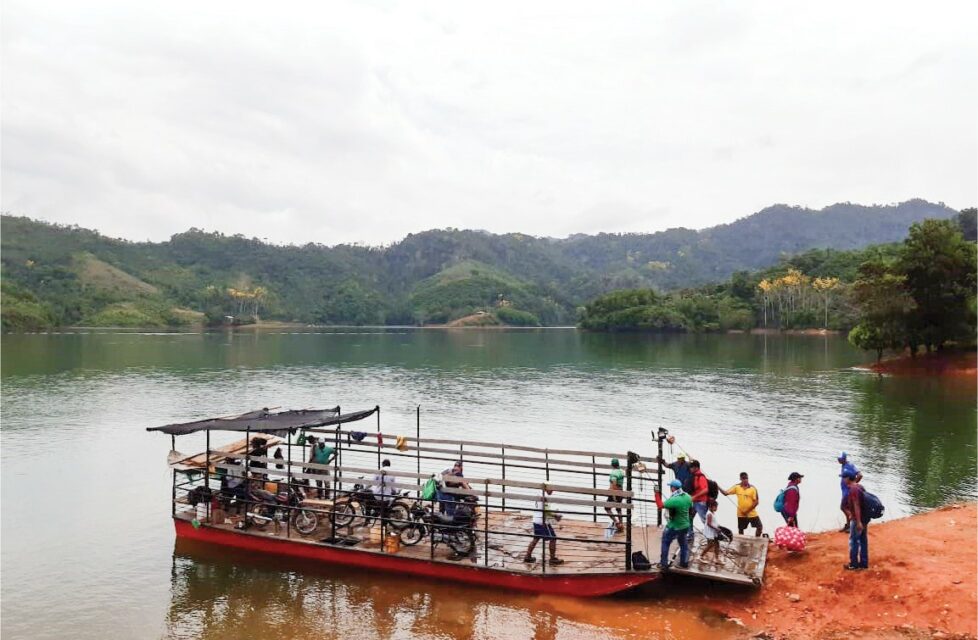
Distributing Bibles in Colombia’s guerrilla territory requires the mind of a chess master. Every move must be analyzed and the opponent’s countermoves anticipated. Although Bible distribution is legal in Colombia, armed rebel groups roam the country’s rural areas as a law unto themselves. Paramilitaries and guerrilla groups like the Revolutionary Armed Forces of Colombia (FARC) resent Christians because they refuse to participate in the drug trade or fight for their causes. The rebel groups also view anyone traveling through their territory, where they often grow and smuggle narcotics, as a threat. A ministry team traveled deep into the jungles of Putumayo department, along the border with Ecuador and Peru, to distribute full-color Action Bibles and minister to church workers. The Bibles, which feature colorful illustrations in the style of a graphic novel, appeal not only to children but also to adults who may have trouble reading a traditional Bible. After traveling many hours by car, the team transferred their supplies to motorcycles and rode for 20 minutes before reaching a river. They then loaded the motorcycles, Bibles and supplies onto a river ferry for a two-hour trip upriver. After leaving the ferry, they rode their packed motorcycles as far as
Read More