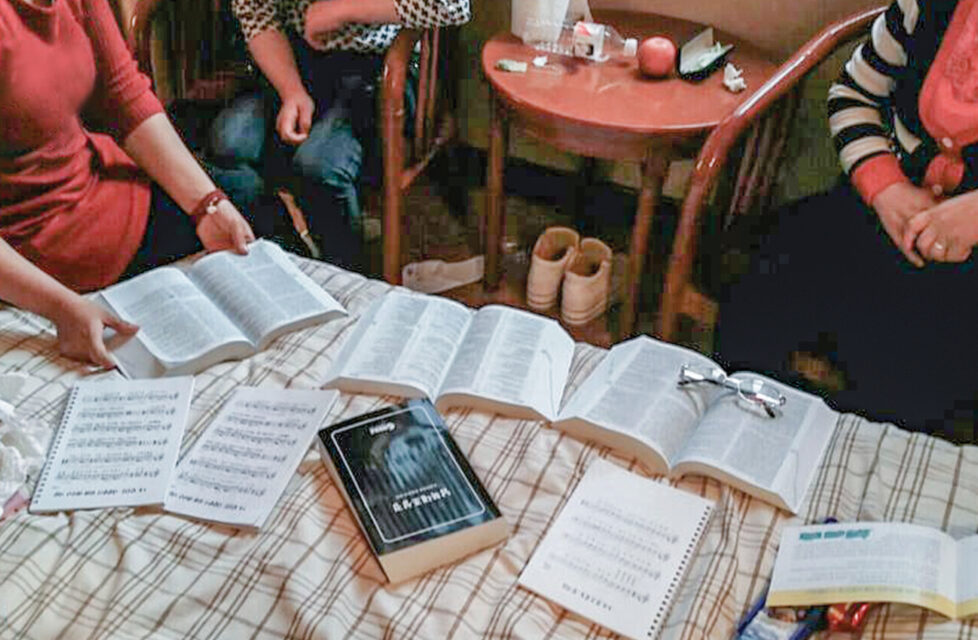
For 20 years, Sung-mi lived in China, where she had been trafficked and sold to a Chinese man to be his wife. But during that time, she found true freedom and a purpose. When a North Korean friend there shared the gospel with her in 2015, Sung-mi decided to visit her church and learn more about Jesus. But after attending a few services, she found it difficult to connect with church members and stopped attending. North Koreans often feel isolated in China. They avoid contact with Chinese people because they are there illegally. Then, one day she happened to meet a VOM worker. “I was invited to his church,” Sung-mi recalled. “Over time, as I saw his honesty and service to other North Korean ladies, I started understanding what it means to live as a Christian.” The VOM worker visited Sung-mi regularly and helped her with Bible study, eventually leading her to faith in Christ. “Christ came to my heart through the life of the VOM worker,” she said. “My heart filled up with joy as I came to know the Lord after 20 years of my life in China all by myself. Now, God and his people are with
Read More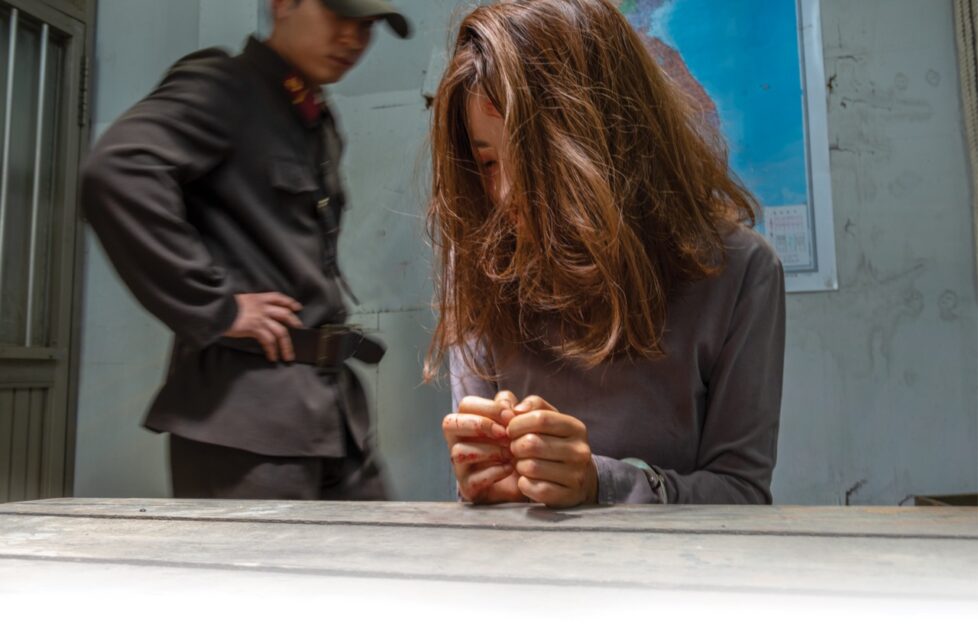
When North Korean authorities caught Min-ji selling South Korean DVDs to earn extra money in 2008, her husband, Kun-woo, feared for his life. As a high-ranking member of North Korea’s State Security Department (SSP), he knew his wife’s crime, which was punishable by death, could implicate him, too. In fact, their entire family could be executed because she was selling “propaganda” from the south on the black market. To delay his capture and potentially save his teenage children, Kun-woo fled to Yanji, China. Meanwhile, Min-ji’s relatives, also SSP officials, took in the children and bribed those who oversaw her case to reduce her sentence. So instead of death, she received a prison sentence. Kun-woo returned to North Korea following Min-ji’s release from prison, but he was not the same man Min-ji remembered. He could not stop talking about a book called the Bible and a being named God who hears our prayers. A family he met in China had told him about the Good News of Jesus Christ, and now every time Kun-woo ate a meal with his family, he gave thanks to the Lord. “I thought he was crazy,” Min-ji told a VOM worker. Problematic Prayers In the four
Read More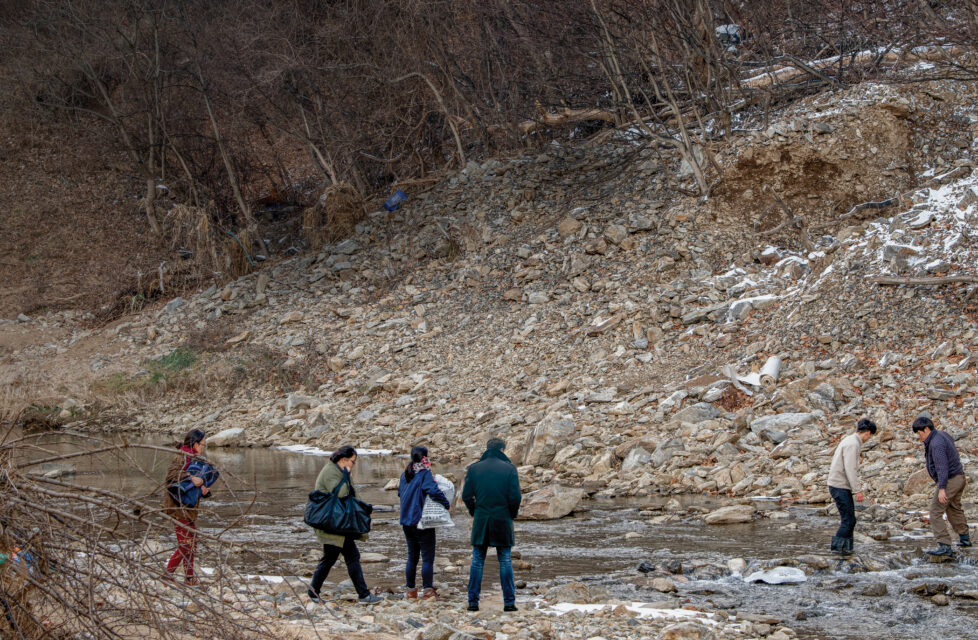
Lee Chul-ho encountered Jesus Christ in 1998 after defecting from North Korea. Desperate to escape the famine that had ravaged his country for four years, he crossed the Tumen River into China, where he met a South Korean missionary who helped him and shared the gospel with him. Upon hearing the Good News, Chul-ho placed his faith in Christ. While recovering from malnutrition, Chul-ho consumed God’s Word, reading the Bible several times the first year. For the next three years, he taught other North Korean defectors about Christ and gradually broadened his ministry to include helping North Koreans at the border as they crossed into China. He also got married during that time. Then, one summer day in 2001, Chinese police arrested Chul-ho and his wife, who was seven months pregnant, as they waited for a group of North Koreans to cross into China’s autonomous Inner Mongolia region. “For the sake of my wife’s survival, I had to tell [the police] that she was not my wife,” Chul-ho said. “I told them that I did not know her.” Despite his attempt to protect his wife, both were detained for several days before being transported to Sinuiju, North Korea. When Chul-ho
Read More
The Islamic Republic of Iran restricted all access to God’s Word. But despite great risk, Iranian believers are sharing the gospel on the street with unprecedented boldness. Two years after placing her faith in Jesus Christ, Fareena still hadn’t told a soul. Like most new Christians in Iran, she feared the backlash she would face if her family learned she had left Islam. Since doing so is illegal in the Muslim nation, new Christians are often imprisoned after going public with their faith. And many more are beaten for bringing shame to their Muslim family. Aware of these possibilities, Fareena decided to read her Bible only in secret. Then, one day she saw something that shocked her. “When I woke up and headed to the living room, my father was sitting on the floor reading a Bible thoughtfully,” she said. “I couldn’t believe my eyes.” Fareena returned to her room in a panic, thinking her father, Bilal, had discovered her Bible. After realizing the Bible he was reading was a different color, she asked him what he was doing. “I am reading an amazing book,” Bilal replied. “I found it in the mailbox today. It was wrapped in wrapping paper.”
Read More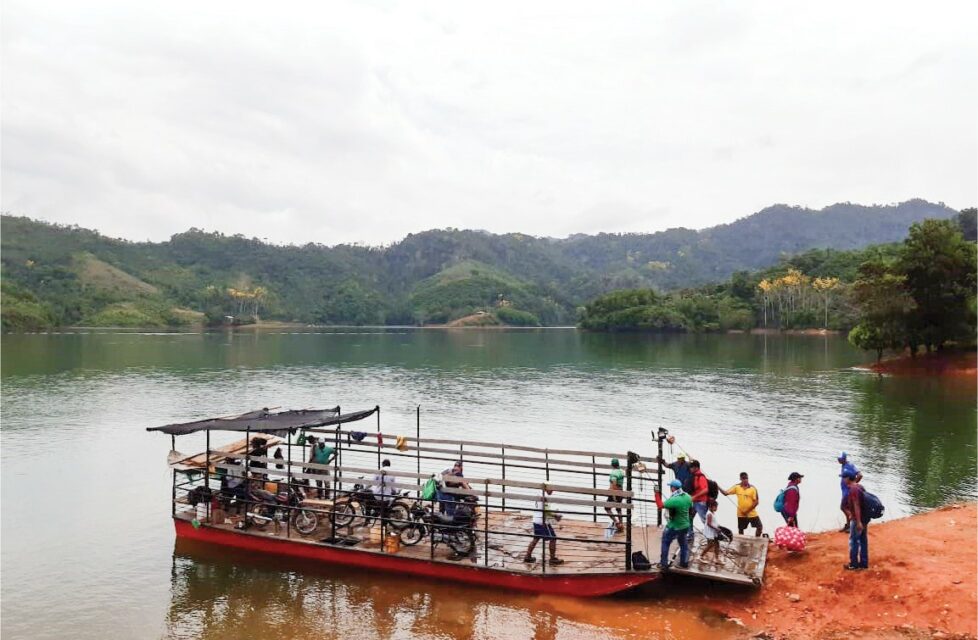
Distributing Bibles in Colombia’s guerrilla territory requires the mind of a chess master. Every move must be analyzed and the opponent’s countermoves anticipated. Although Bible distribution is legal in Colombia, armed rebel groups roam the country’s rural areas as a law unto themselves. Paramilitaries and guerrilla groups like the Revolutionary Armed Forces of Colombia (FARC) resent Christians because they refuse to participate in the drug trade or fight for their causes. The rebel groups also view anyone traveling through their territory, where they often grow and smuggle narcotics, as a threat. A ministry team traveled deep into the jungles of Putumayo department, along the border with Ecuador and Peru, to distribute full-color Action Bibles and minister to church workers. The Bibles, which feature colorful illustrations in the style of a graphic novel, appeal not only to children but also to adults who may have trouble reading a traditional Bible. After traveling many hours by car, the team transferred their supplies to motorcycles and rode for 20 minutes before reaching a river. They then loaded the motorcycles, Bibles and supplies onto a river ferry for a two-hour trip upriver. After leaving the ferry, they rode their packed motorcycles as far as
Read More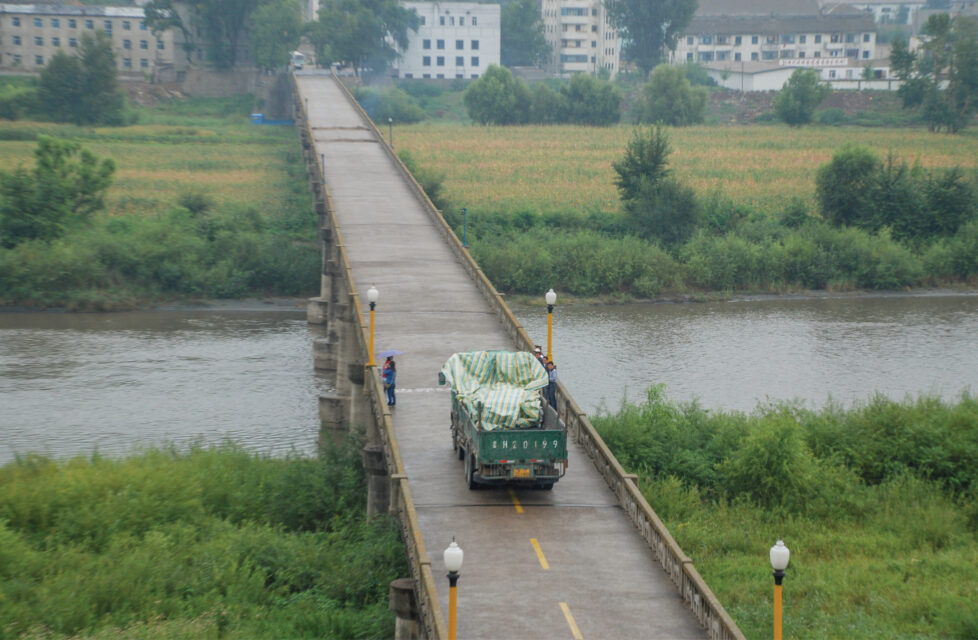
When a North Korean man’s relatives invited him to read the Bible, everything changed. Years ago, Byung-woo traveled from his home in North Korea to visit relatives in China. His relatives, who were part of China’s vast underground church movement, invited him to read the Bible while he was there. When he declined, they fasted and prayed for a couple of days, hoping he would change his mind. That puzzled Byung-woo even more than the original invitation. Finally, out of curiosity and a desire to appease his family, he agreed to give the book a cursory read. But the more he read, the more questions he had for his relatives. The Bible translation used the South Korean dialect rather than the North Korean dialect. The two dialects differ roughly 40 percent of the time. Still, the parts he understood fascinated him. Seeing Byung-woo’s interest, his relatives took him to their house church, where church members explained the need for the gospel in North Korea and implored him to start an underground church there. They were prepared to provide him with food and money to sustain him, Bibles to distribute and a bicycle to help him reach more people. Byung-woo grew
Read More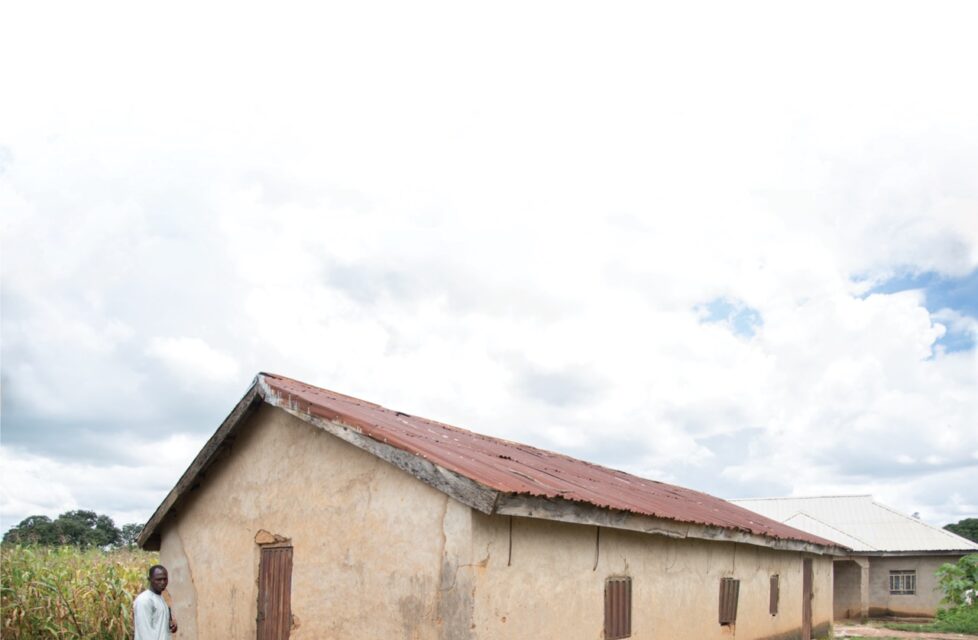
Throughout the night and morning of March 11, 2019, Pastor Timothy Umaru and several other men stood guard at an entrance to their Nigerian village. They were watching for any sign of the Fulani Islamic militants who had attacked a neighboring village days earlier. Then, as the sun rose shortly after 6 a.m., they began to hear screams and gunfire in the village behind them. Villagers were running in every direction as the air filled with smoke from burning homes. The militants had attacked the village from another entrance, and Timothy felt helpless as he thought about his family, his church and his predominantly Christian village. “In all honesty,” he said, “even though the Bible has told us that these things would happen, the first question I asked was, ‘God, where are You?’” Timothy’s wife, Rifkatu, and their 3-year-old granddaughter, Uma, had just finished praying with their lead pastor’s family at the church parsonage when the attack occurred. Rifkatu heard the gunfire and screams when she stepped out with Uma to get some fresh air. After scooping Uma up in her arms and running back inside to alert everyone, Rifkatu and the others hurriedly left the pastor’s home, which they
Read More
She never expected to suffer persecution, but when Naomi’s town was overrun by Islamic terrorists, she was ready. Her church and the Bible had taught her well: “Persecution is God’s Word being fulfilled.” Naomi had already experienced suffering. When her husband died in 2009, her in-laws, who in Nigerian culture would be expected to help her and her five children, rejected her. With no other options, Naomi moved in with her parents in the town of Gwoza, in Nigeria’s northeastern Borno state. Hoping to rebuild her life, she set about the work of providing for her family and educating her children, the youngest of whom was only 1 year old when his father died. Not long after their move to Gwoza, a violent Islamist organization began gaining power in the area, advancing its goal of “purifying” northern Nigeria for the sake of Islam. The Attack Boko Haram, whose name means “Western education is forbidden” in the Hausa dialect, began waging an insurgency across northern Nigeria, targeting military installations, police stations, government buildings, churches and civilians, primarily in Borno state. By 2014, conflicts between Boko Haram and Nigerian security forces had become common as the insurgents fought for control of Borno
Read More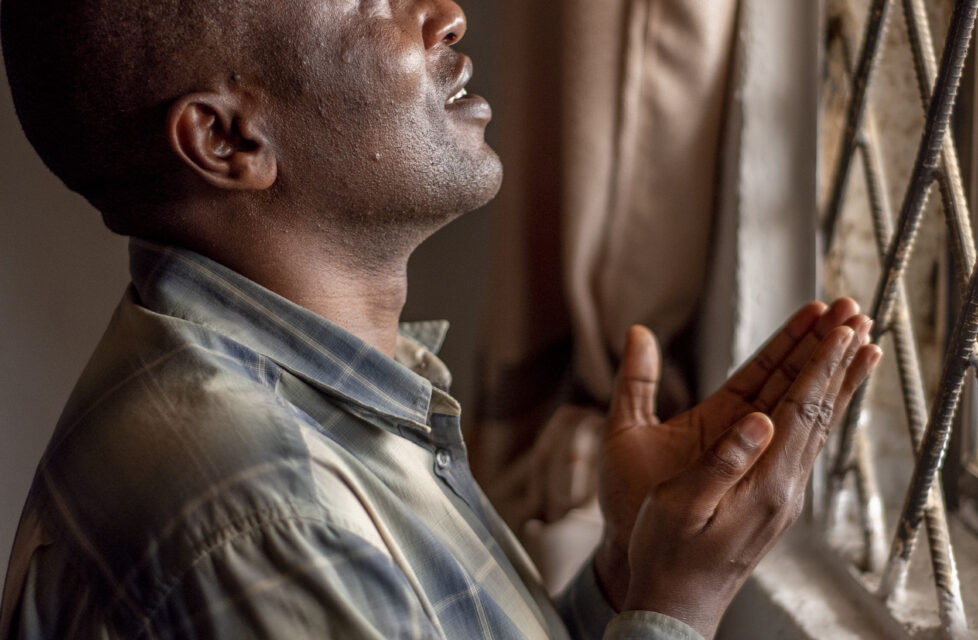
Ibrahim Izang Aziobo tried to rescue as many Christians as he could during an attack by local Muslims. Although he lost his eyesight as a result, he gained a clear vision of how to love his enemies. At about 4 a.m. on the morning after a local election in Jos, Nigeria, Ibrahim awoke to someone banging on his apartment door. “They have come!” his niece cried out. “They have started!” The 2008 elections had been particularly divisive. Before results were even posted, members of the city’s predominantly Muslim Hausa-Fulani majority began protesting the Christian candidate’s expected win. Ibrahim jumped out of bed. He knew his niece’s warning meant Christians were under attack in the town where he was serving as an election worker. Thankfully, his wife, Ana, was safe at home in a different city. By the time Ibrahim came out of his room, his niece had already left and he noticed that the neighboring tenants were gone, too. Hearing gunfire, he looked around and saw people running away. Ibrahim, however, ran toward the gunfire to see the attackers for himself. “What I saw was dreadful,” he said. A parade of militant Islamic Fulani armed with sticks, machetes and guns
Read More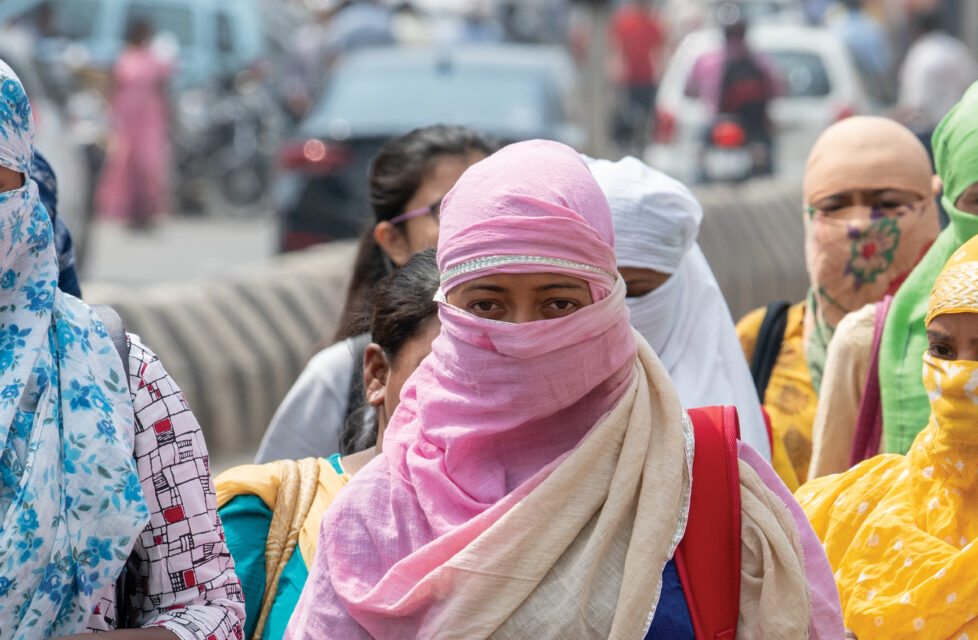
After traveling to a large Indian city to study God’s Word for several days, a group of young Christians returned to their predominantly Muslim village emboldened in their Christian faith. The youth, all of whom were related as either siblings or cousins, had come to know Jesus Christ through the witness of older relatives. After studying God’s Word, something impossible for many of their parents who cannot read, they learned firsthand the cost of following Christ in their Muslim community. But when everything seemed hopeless, the Holy Spirit led them and others to boldly stand for Jesus. False Accusations While the youth were away for Bible training, neighbors questioned their parents about where the children had gone. Soon, various rumors began to spread through the community, including allegations of sexual abuse that made their way to the ears of Islamists. As a small minority in the area, Christians must keep their faith secret. Believers often hide their Bibles, understanding that their discovery by Muslim neighbors could result in violence. “We know people from this community who have had their house burned down, been beaten, been kicked out of their home and kicked out of their family,” said Aarav, a front-line
Read More